
DIY Fire Safety Tips: Easy Checks to Perform at Home


Understanding Fire Hazards at Home
Fire safety starts with recognizing potential hazards in your home. Common risks include faulty wiring, overloaded outlets, and unattended candles. Regularly inspect your home for these issues to ensure you're not inadvertently increasing the fire risk.
Pay attention to the kitchen, as it is a common site for fires. Always monitor cooking appliances, and keep flammable items away from heat sources. Ensuring that you follow these precautions can greatly reduce the likelihood of a fire starting.

Check Your Smoke Alarms
Smoke alarms are your first line of defense against fires. Make sure you have smoke alarms installed in every bedroom, outside each sleeping area, and on every level of your home. Test them monthly by pressing the test button and replace batteries at least once a year.
If your smoke alarms are over ten years old, consider replacing them entirely. Modern devices often come with smart features that can send alerts to your phone, providing an extra layer of safety.
Fire Extinguishers Are Essential
Having a fire extinguisher in key areas of your home is crucial. Place them in the kitchen, garage, and near any fireplaces. Make sure everyone in the household knows how to use them by following the PASS method: Pull the pin, Aim at the base, Squeeze the handle, and Sweep side to side.
Check the expiration date on your extinguishers regularly and replace them as needed. An expired extinguisher may not function properly during an emergency.

Safe Electrical Practices
Electrical fires can be prevented by practicing safe electrical habits. Avoid overloading outlets and replace any frayed or damaged cords immediately. If you notice flickering lights or a burning smell, contact a professional electrician to inspect your wiring.
Consider installing additional outlets if you rely heavily on power strips or extension cords. This can reduce the risk of overheating and potential fires.
Plan and Practice Your Escape Route
In the event of a fire, having a well-rehearsed escape plan can save lives. Ensure everyone in your household knows at least two ways to exit each room. Practice your escape plan twice a year and designate a meeting spot outside your home.
Teach children how to escape on their own in case adults are not able to assist them. Stress the importance of leaving belongings behind and focusing on getting out safely.

Maintain Heating Equipment
Heating equipment such as furnaces, space heaters, and fireplaces should be maintained regularly. Have your furnace inspected annually by a professional, and clean chimneys and vents to prevent buildup that could ignite.
Space heaters should be placed at least three feet away from flammable materials. Always turn them off when leaving a room or going to sleep.
Be Cautious with Candles
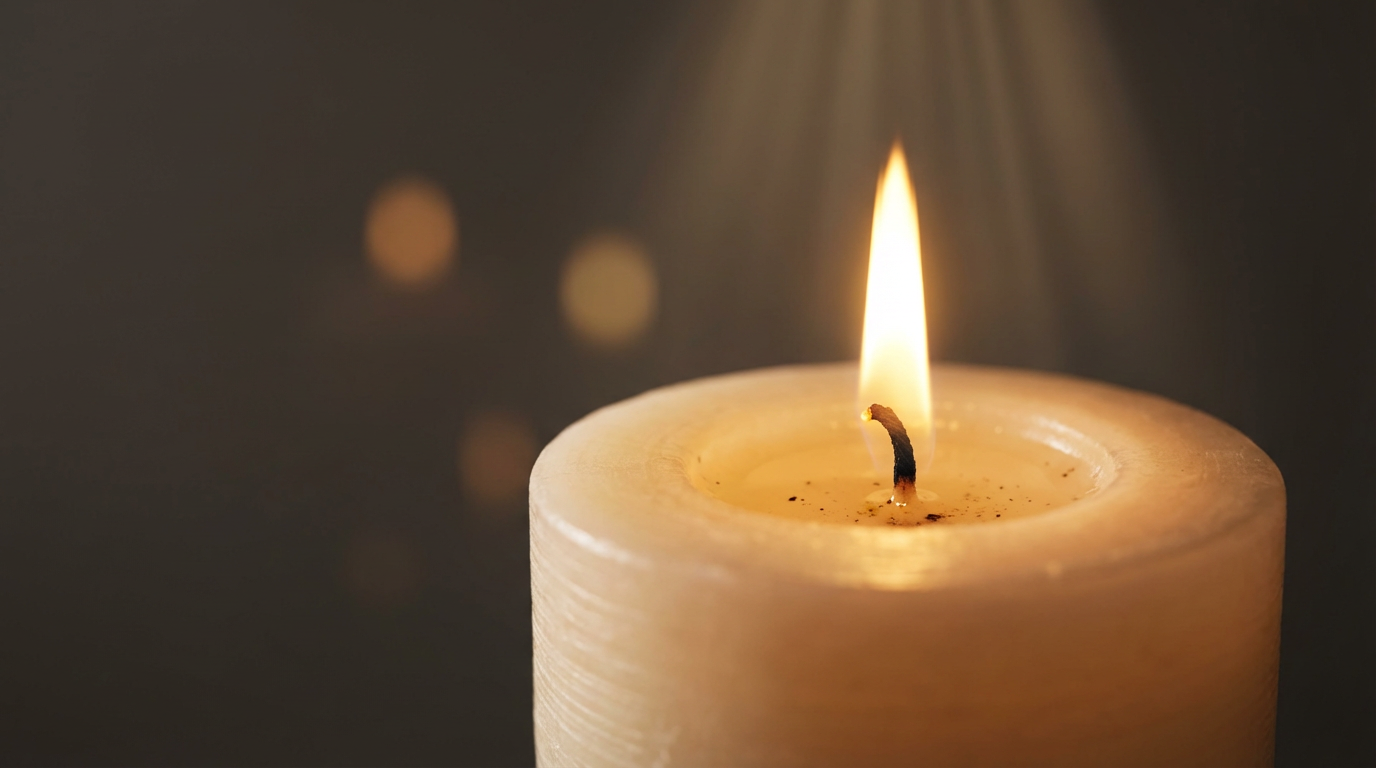
Candles can create a cozy atmosphere but pose a significant fire risk if left unattended. Always place candles on stable surfaces and keep them away from flammable objects like curtains and books.
Consider using flameless candles for ambiance without the risk. If you do use traditional candles, extinguish them before leaving the room or going to bed.
Conclusion
Practicing these DIY fire safety tips can significantly enhance your home's safety. Regular checks and maintenance can prevent small issues from becoming major hazards. Stay vigilant and ensure everyone in your household is informed and prepared. Prioritizing fire safety is a vital step in protecting your home and loved ones.