
DIY Fire Safety Tips: How to Conduct a Basic Home Inspection


Understanding Fire Hazards in Your Home
Fire safety is crucial in every household, and conducting regular home inspections can significantly reduce the risk of fire. Understanding potential fire hazards is the first step in ensuring safety. Common hazards include faulty wiring, unattended candles, and overloaded power strips. Regularly checking these areas can help prevent accidents.
Before beginning your inspection, make a checklist of areas to cover. This will help you stay organized and ensure that no critical spot is overlooked. Preparation is key to a successful inspection.
Inspecting Electrical Systems
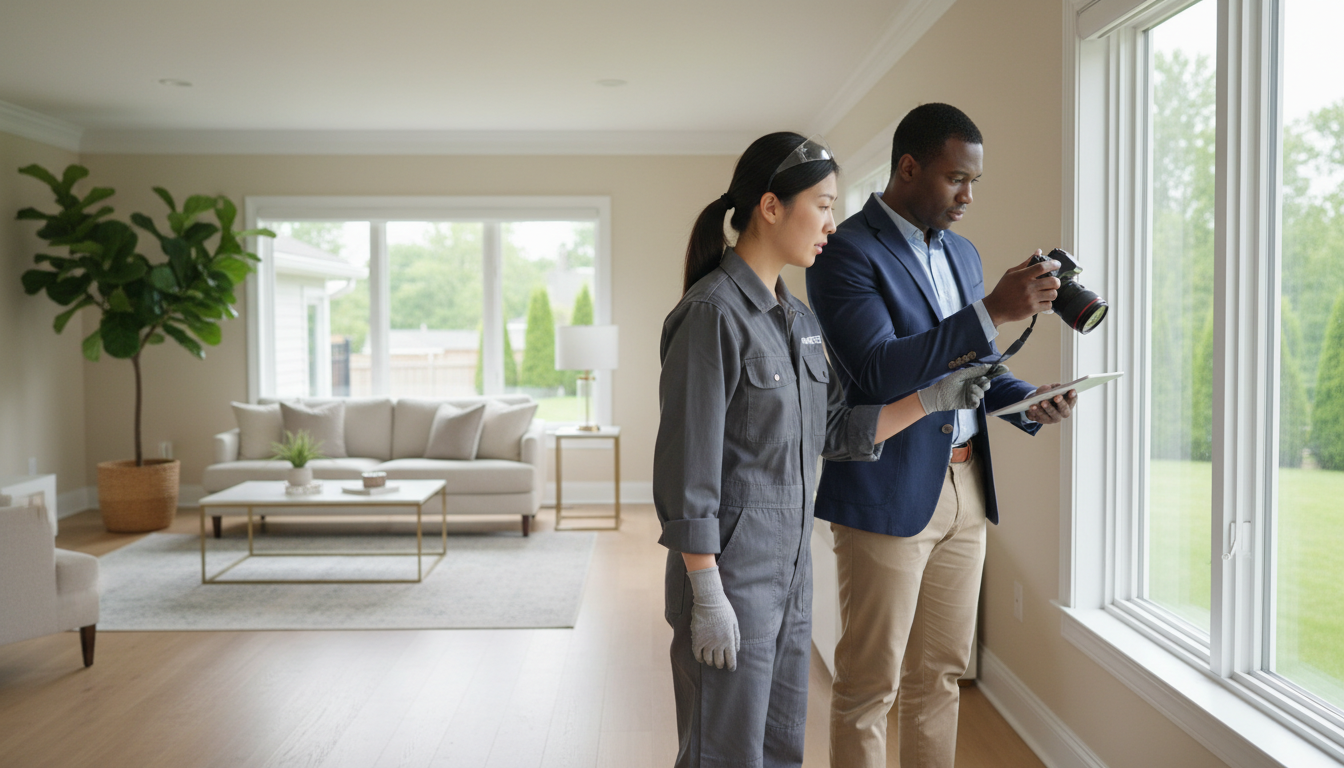
Electrical issues are a leading cause of home fires. Start by inspecting all visible wiring in your home. Look for frayed or exposed wires, and ensure that all outlets are functioning correctly. It's also essential to avoid overloading outlets and power strips.
Consider hiring a professional electrician for a more thorough inspection if you notice any irregularities. Safety should always come first, so don't hesitate to seek expert advice when needed.
Checking Appliances
Appliances like stoves, heaters, and dryers can also pose fire risks. Ensure that these appliances are in good working order and are regularly cleaned and maintained. Pay special attention to lint buildup in dryer vents, as this is a common fire hazard.

Evaluating Fire Alarms and Extinguishers
Fire alarms and extinguishers are your first line of defense in a fire emergency. Test all smoke detectors monthly to ensure they are working correctly. Replace batteries at least once a year, or immediately if the alarm begins to chirp.
Check the expiration dates on your fire extinguishers and ensure they are easily accessible. Familiarize yourself and your family with how to use them properly.
Planning an Escape Route
Every home should have a clear and practiced fire escape plan. Identify at least two exits from each room, and ensure that windows are easy to open. Conduct regular fire drills with your family to ensure everyone knows the escape routes.

General Safety Tips
Keep flammable materials away from heat sources, and never leave cooking unattended. Install fire-resistant materials when possible, and ensure that all family members understand basic fire safety protocols.
Regularly reviewing and updating your fire safety measures can save lives. Remember, prevention and preparation are the most effective tools against home fires.