
Expert Insights: Common Fire Safety Misconceptions Debunked


Understanding Fire Safety Misconceptions
Fire safety is a critical topic that affects everyone, yet many misconceptions persist. These myths can lead to unsafe practices and increase the risk of fire-related incidents. In this post, we’ll explore and debunk some common fire safety misconceptions to help you stay informed and protected.
Myth 1: Smoke Detectors Are Enough
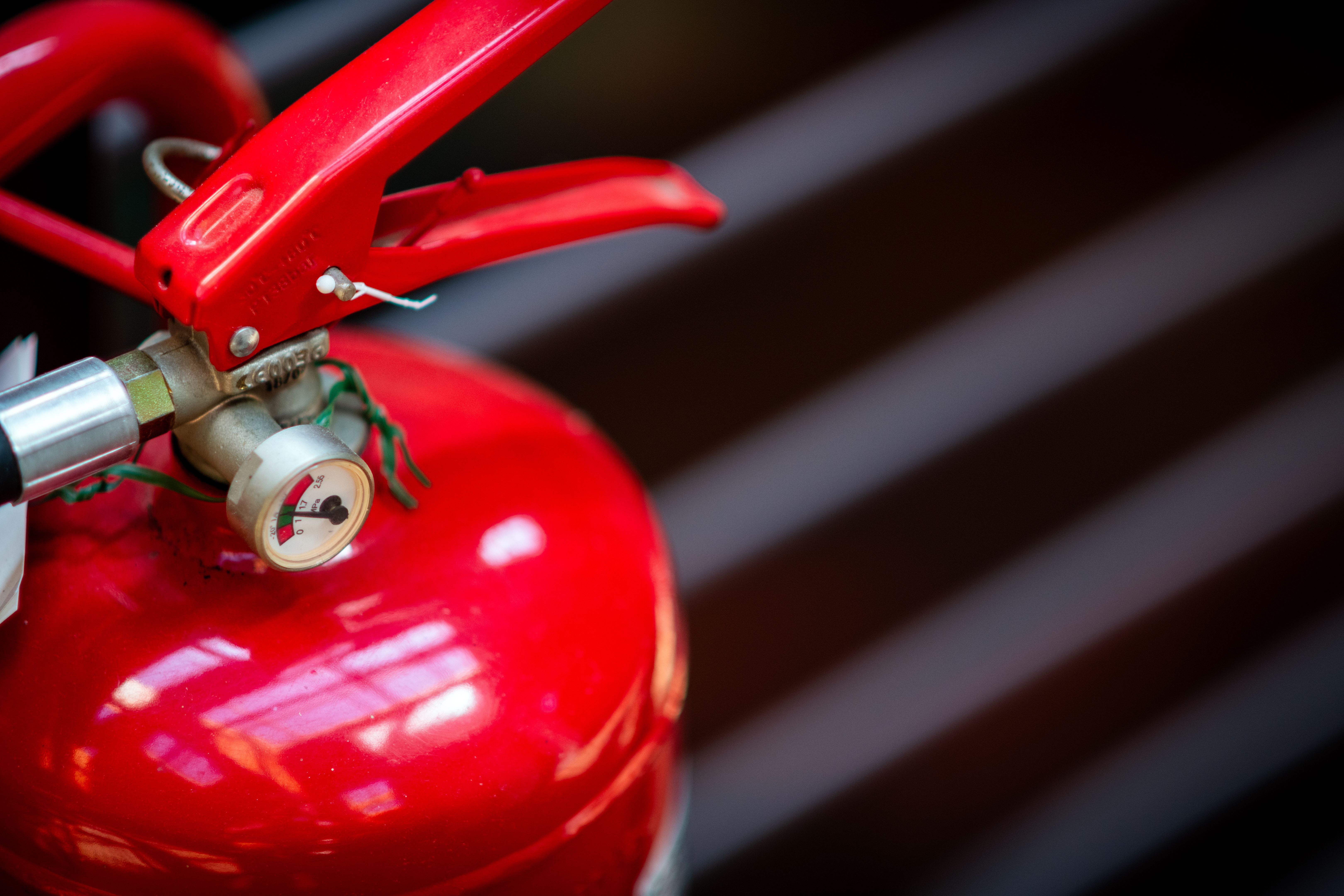
While smoke detectors are essential, relying solely on them for fire safety is a mistake. Smoke detectors are designed to alert you to the presence of smoke, giving you time to escape. However, they do not extinguish fires or prevent them from spreading. It’s important to have a comprehensive fire safety plan that includes fire extinguishers, escape routes, and regular fire drills.
Ensure your smoke detectors are properly installed and maintained. Test them monthly and replace batteries at least once a year. Consider integrating them with a fire alarm system for added protection.
Myth 2: Sprinklers Cause More Damage Than Fire
Some believe that fire sprinklers can cause more damage to property than the fire itself. This misconception can prevent people from installing these life-saving devices. In reality, sprinklers activate individually and only in areas where a fire is detected, minimizing water damage. According to experts, the damage caused by sprinklers is significantly less than the destruction a fire can cause.

Installing a sprinkler system is a proactive step in fire prevention, and it can greatly reduce the risk of injury and property loss.
Addressing Household Fire Hazards
Many homeowners underestimate the potential fire hazards present in everyday household items. From cooking appliances to electrical gadgets, understanding these risks is crucial.
Myth 3: Unused Appliances Are Safe
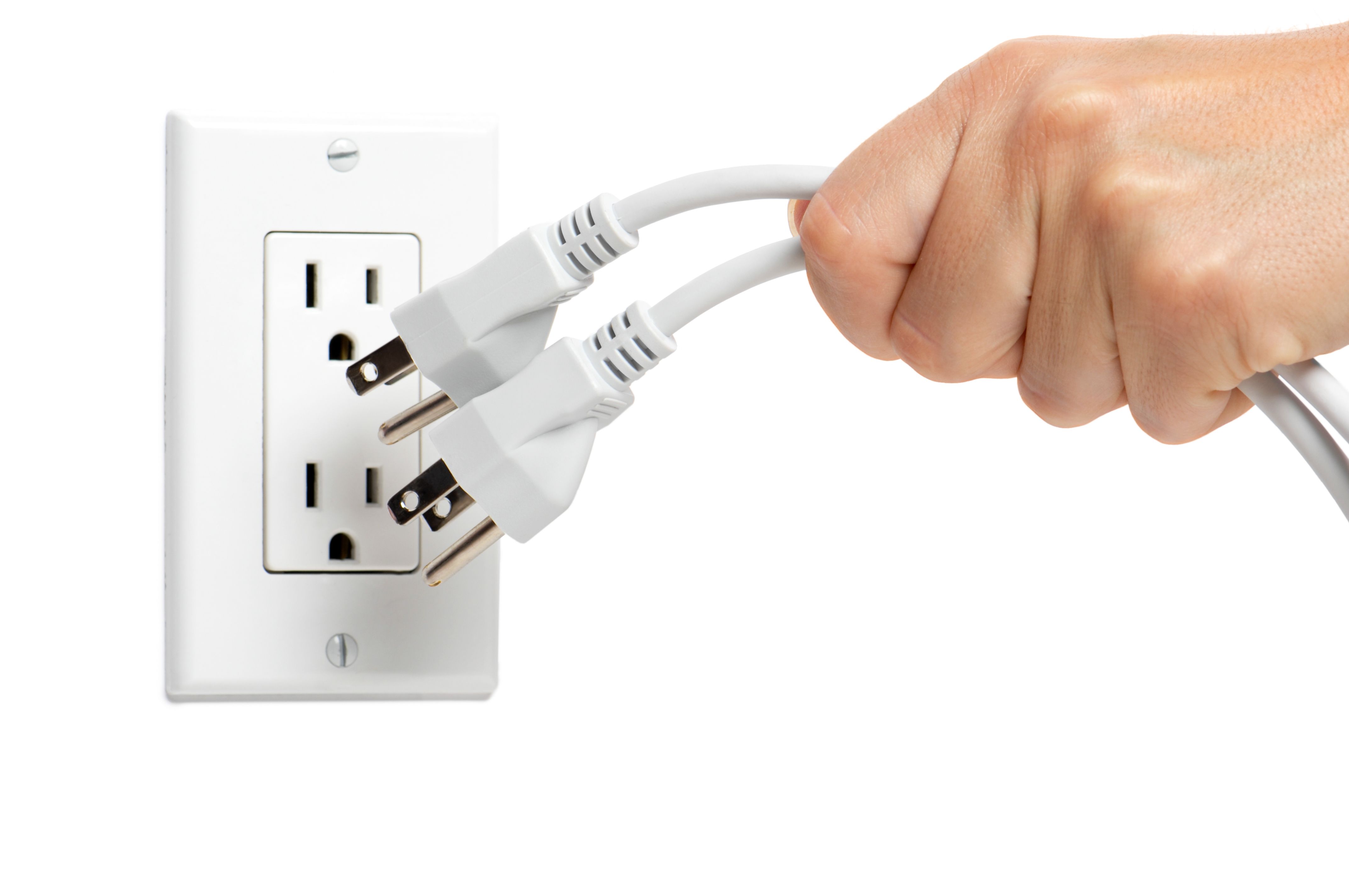
A common belief is that appliances that are turned off pose no fire risk. However, electrical devices can still pose a threat if they are plugged in. Faulty wiring or a power surge can ignite a fire even when appliances are not in use. It is best practice to unplug appliances when they’re not needed, especially when leaving the house for extended periods.
Myth 4: Candles Are Harmless
Candles are often seen as a safe way to add ambiance to a home, but they are a leading cause of house fires. Never leave candles unattended, and always keep them away from flammable materials. Consider using battery-operated candles as a safer alternative.
Enhancing Fire Safety Awareness
Education is key to improving fire safety. By dispelling these myths, individuals can make informed decisions about their safety practices. Regular training and staying updated with fire safety standards can make a significant difference.
Fire safety is everyone's responsibility. By understanding and addressing these common misconceptions, we can create safer environments for ourselves and our communities.