
Expert Insights: The Future of Fire Safety Technology


The Evolution of Fire Safety
The fire safety industry is experiencing a remarkable transformation with the integration of advanced technologies. As urbanization and industrial growth continue to rise, the demand for innovative fire safety solutions becomes more critical. The future of fire safety technology is not just about better firefighting tools but also about smarter prevention and detection systems.
Smart Detection Systems
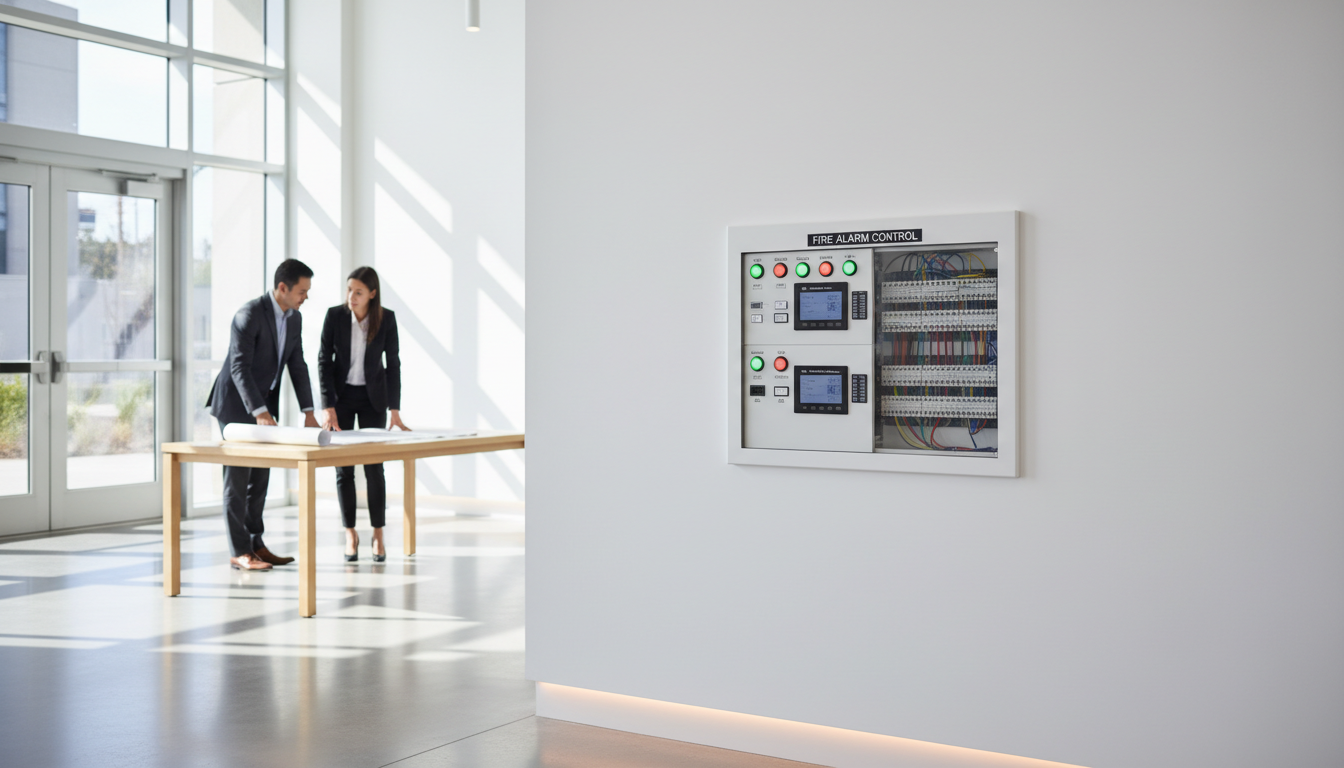
One of the most promising advancements is the development of smart detection systems. These systems utilize a combination of sensors and artificial intelligence to detect fires more accurately and swiftly. Unlike traditional smoke detectors, smart systems can differentiate between actual fires and false alarms, reducing unnecessary evacuations. This technology is particularly beneficial in environments where precision is crucial, such as hospitals and data centers.
Moreover, these systems are equipped with IoT capabilities, allowing them to communicate with other devices and provide real-time updates to emergency services. This connectivity ensures a faster response time, potentially saving lives and minimizing property damage.
Innovations in Fire Suppression
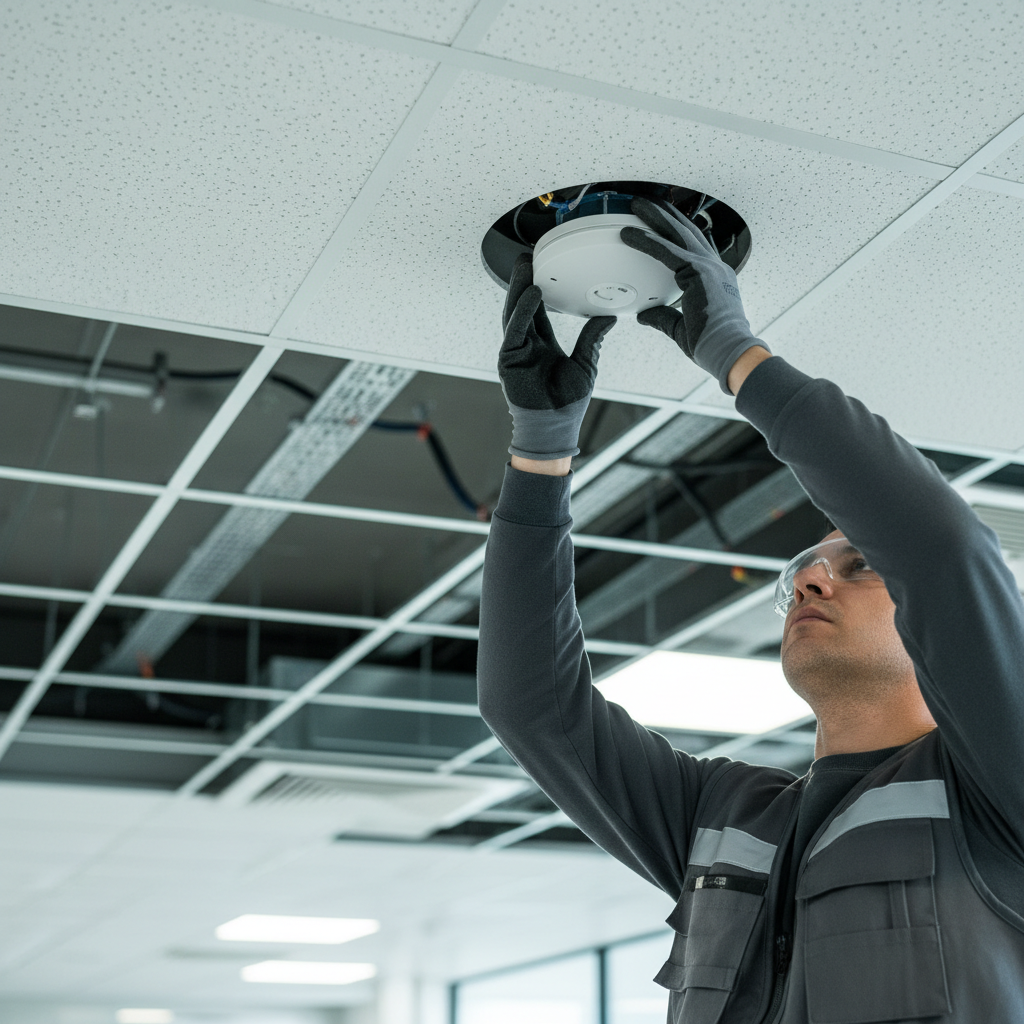
Fire suppression technology is also evolving with the introduction of automated systems. These systems are designed to activate without human intervention, using advanced sensors to detect heat and smoke. Automated fire suppression is particularly useful in high-risk areas like factories and large commercial buildings, where manual firefighting might be challenging.
Additionally, there is a growing interest in environmentally friendly fire suppression agents. Traditional agents often contain chemicals that can be harmful to the environment. New developments are focusing on sustainable alternatives that are both effective at extinguishing fires and safe for the planet.
Integration of Drones and Robotics
The use of drones and robotics in fire safety is gaining momentum. Drones can access areas that are difficult or dangerous for humans to reach, providing crucial information to firefighters. Equipped with thermal imaging cameras, drones can identify hotspots and assess the situation from above, offering a strategic advantage in firefighting operations.

Robotic firefighters are also being developed to handle hazardous tasks. These robots can operate in environments that are too risky for human firefighters, such as chemical plants or nuclear facilities. Their ability to withstand extreme conditions makes them invaluable assets in modern fire safety strategies.
The Role of Data Analytics
Data analytics is playing an increasingly important role in fire safety. By analyzing data from past incidents, predictive models can be developed to foresee potential fire risks. This proactive approach enables businesses and local authorities to implement preventive measures before a fire occurs.
Furthermore, data-driven insights can help optimize the placement of fire detection and suppression systems, ensuring maximum coverage and efficiency. As data analytics technology advances, its integration into fire safety protocols is expected to become more widespread.

Conclusion: Embracing the Future
As fire safety technology continues to evolve, it is crucial for industries and governments to embrace these innovations. By leveraging smart detection systems, automated suppression, drones, robotics, and data analytics, we can significantly enhance fire safety measures. The future of fire safety lies in the seamless integration of these technologies, ensuring a safer world for everyone.