How to Prepare Your Business for Fire Safety Audits


Understanding Fire Safety Audits
Fire safety audits are essential for ensuring that your business complies with local regulations and maintains a safe environment for employees and customers. These audits involve a thorough examination of your premises, identifying fire hazards, and assessing the effectiveness of your fire safety measures.
Preparing for a fire safety audit can seem daunting, but with the right steps, it becomes manageable. This guide will walk you through the essential preparations to ensure a smooth and successful audit.

Conduct a Preliminary Fire Risk Assessment
Before the official audit, conduct an internal fire risk assessment. This evaluation will help you identify potential fire hazards and areas that need improvement. Consider factors such as the materials used in your building, the presence of flammable substances, and your current fire safety equipment.
Engage a qualified professional if necessary, to ensure a comprehensive assessment. Documenting your findings will be crucial for demonstrating your proactive approach during the audit.
Review and Update Fire Safety Equipment
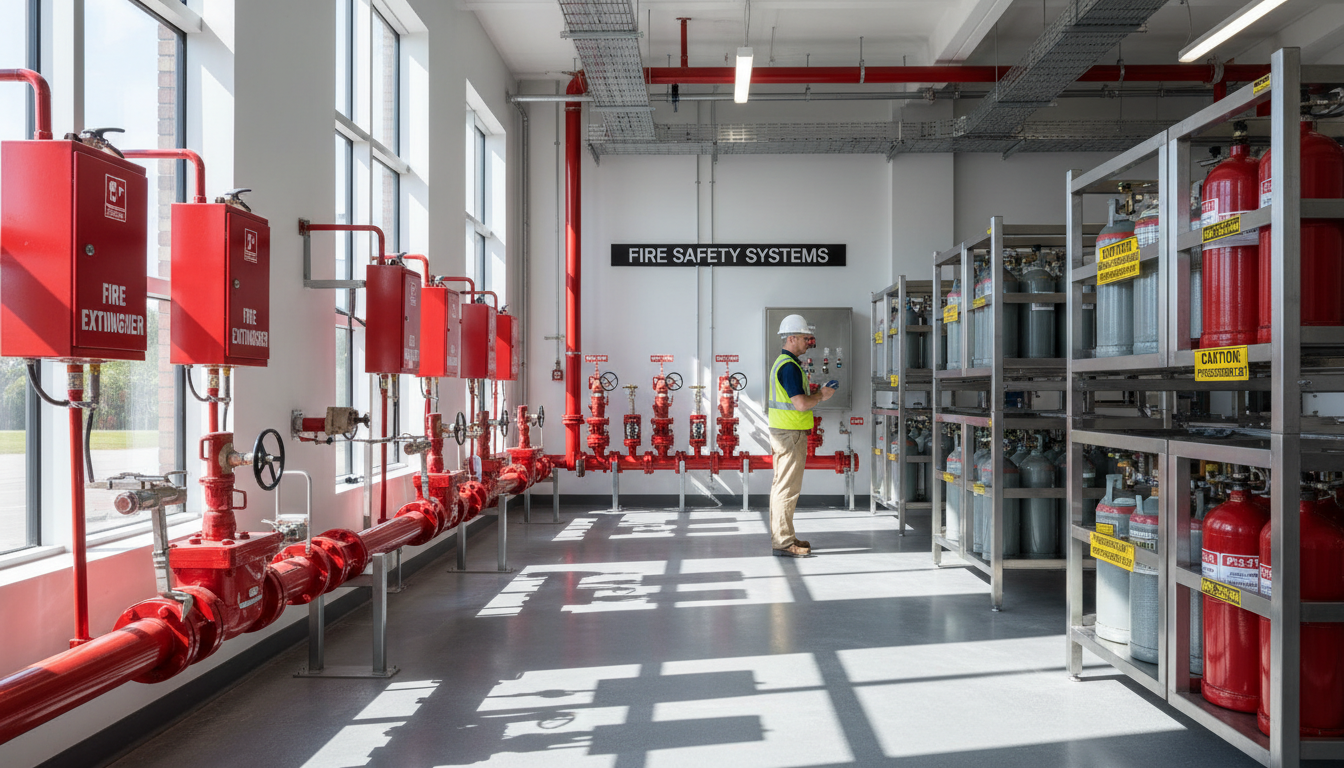
Ensure all fire safety equipment is up to date and functioning correctly. This includes fire extinguishers, smoke alarms, and sprinkler systems. Regular maintenance and inspections should be part of your routine to avoid last-minute issues.
Replace expired equipment and ensure that all safety devices are easily accessible. Proper signage indicating the location of fire safety equipment is also essential for compliance.
Train Your Staff
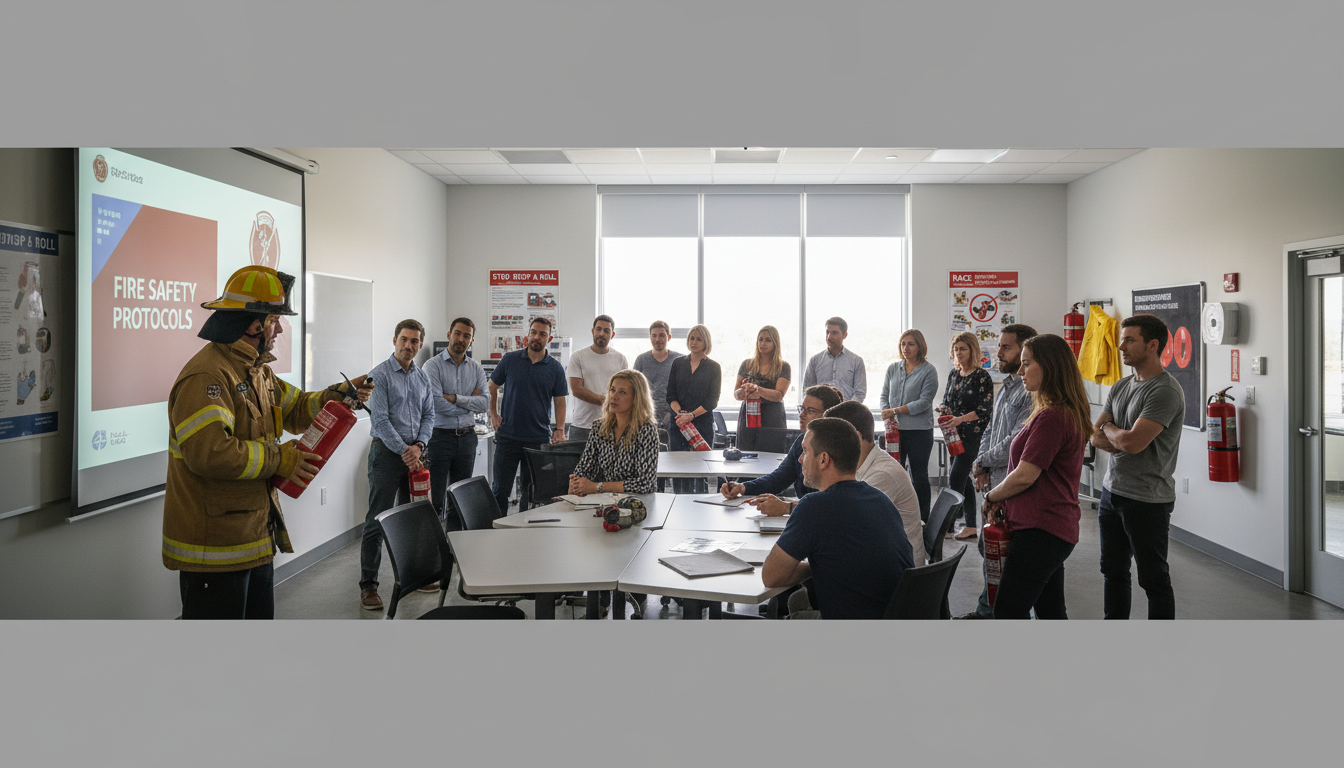
Your staff plays a vital role in maintaining a fire-safe environment. Conduct regular fire safety training sessions to keep everyone informed about evacuation procedures and the use of fire safety equipment. Ensure that all employees know the location of emergency exits and meeting points.
Appoint fire wardens who can take charge in an emergency, and conduct regular fire drills to test and improve your evacuation plan.
Prepare Documentation
Proper documentation is crucial during a fire safety audit. Ensure you have up-to-date records of maintenance logs, training sessions, and fire drills. These documents demonstrate your commitment to fire safety and compliance with regulations.
Organize these records in a way that makes them easily accessible during the audit. This preparation can significantly impact the outcome of your audit.
Address Structural and Design Considerations
Evaluate the structural and design aspects of your building to ensure compliance with fire safety standards. This includes checking fire doors, escape routes, and emergency lighting. Make any necessary modifications to meet the required standards.
Consult with fire safety experts if you need guidance on meeting specific regulatory requirements, especially if your building has unique challenges.
Engage with Local Fire Authorities
Develop a positive relationship with your local fire authorities. They can provide valuable insights and guidance on fire safety requirements. Engaging with them can also offer peace of mind, knowing that you are aligning with local standards.
Consider inviting them for a preliminary walkthrough to identify any potential areas of concern before the official audit.
Stay Informed and Updated
Fire safety regulations can change, and it's essential to stay informed about new requirements. Regularly review updates from local fire safety authorities and adjust your practices accordingly.
Join relevant industry groups or subscribe to newsletters that focus on fire safety to ensure you remain knowledgeable about best practices and regulatory changes.