
Myth-Busting Fire Safety: Common Misconceptions Debunked


Understanding the Reality of Fire Safety
Fire safety is a critical aspect of home and workplace security, yet many misconceptions still exist. By debunking these myths, we can ensure better preparedness and protection. Let's explore and clarify some common fire safety misunderstandings.
Myth: Smoke Alarms Are Enough
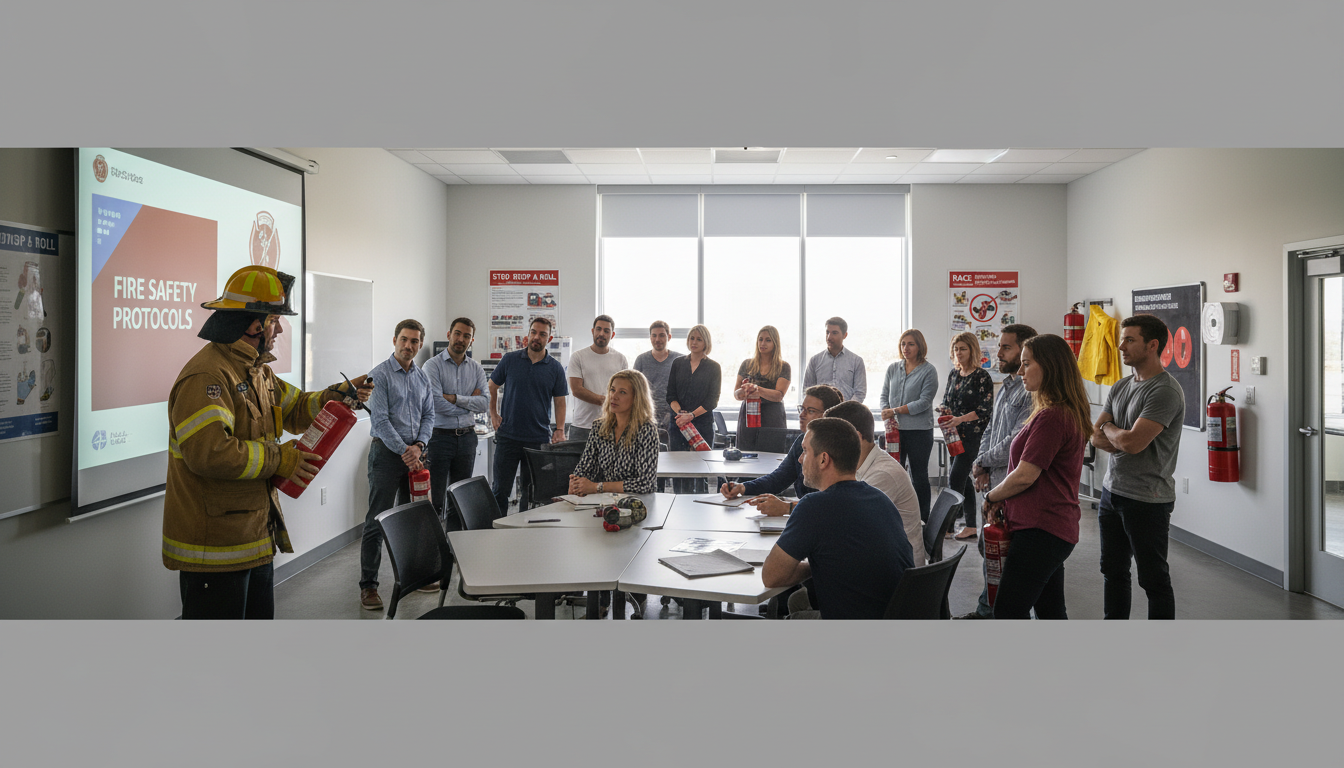
While smoke alarms are essential, relying solely on them is a mistake. Smoke alarms provide early warnings, but they do not extinguish fires or prevent them from spreading. It's crucial to have a comprehensive fire safety plan that includes fire extinguishers, evacuation routes, and regular drills.
Many people also assume that once installed, smoke alarms will function indefinitely. However, regular maintenance is necessary. Batteries should be checked monthly and replaced at least once a year. Consider upgrading to alarms with long-life lithium batteries for added reliability.
Myth: Modern Buildings Are Fireproof
It's a common belief that contemporary structures are immune to fires due to advanced building materials and technology. However, no building is entirely fireproof. While modern materials can be more resistant, they can still burn or produce harmful smoke when ignited. Understanding this can help in planning appropriate fire safety measures.

Myth: Small Fires Are Harmless
Many underestimate the potential danger of small fires, assuming they can be easily controlled. Even a small fire can spread rapidly, especially if flammable materials are nearby. It's vital to respond immediately and appropriately to any fire, regardless of size.
Having a fire extinguisher on hand and knowing how to use it can make a significant difference. Remember the PASS technique: Pull the pin, Aim the nozzle, Squeeze the handle, and Sweep from side to side.
Myth: Water Puts Out All Fires
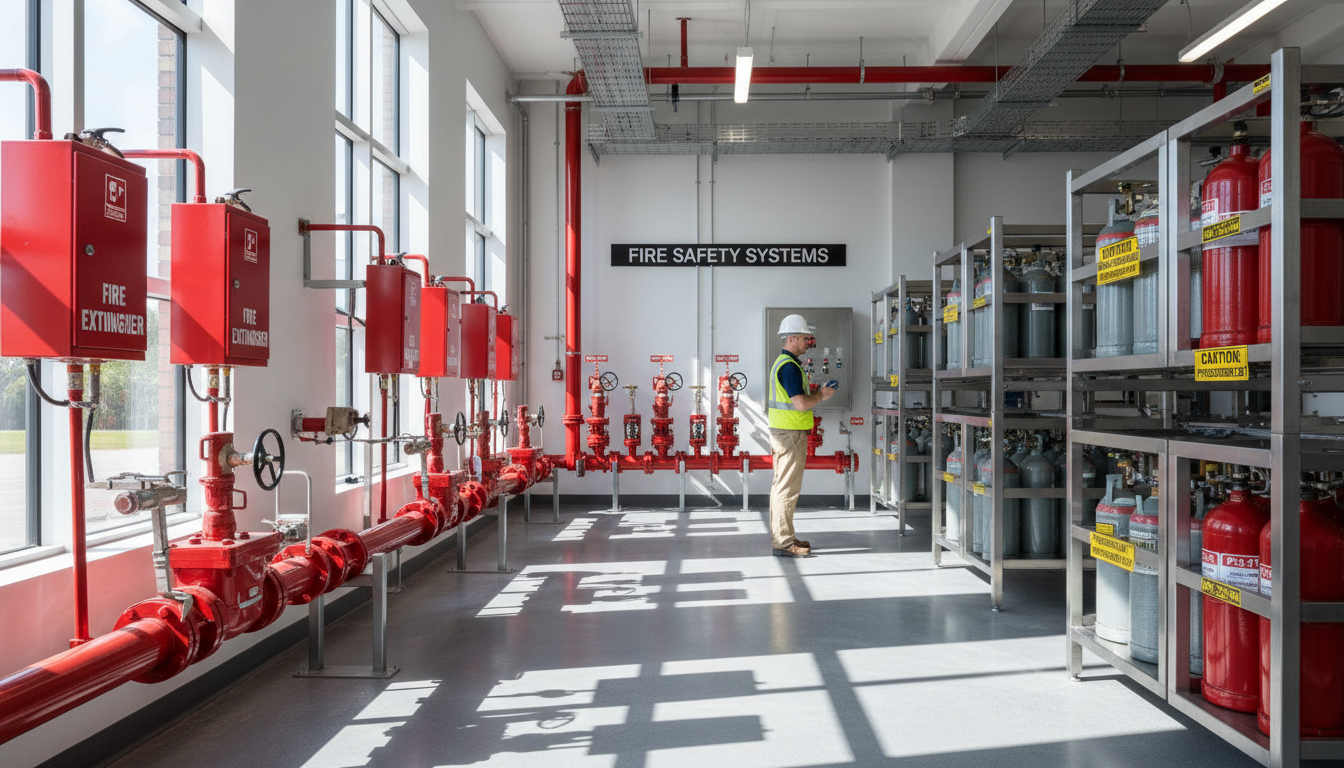
Water is not a universal solution for all types of fires. In fact, using water on grease or electrical fires can exacerbate the situation. Instead, it's crucial to use the correct type of extinguisher for each class of fire. For instance, Class B extinguishers are suitable for flammable liquids, while Class C is designed for electrical fires.
Understanding the different classes of fires and the appropriate extinguishing methods not only enhances safety but also prevents further damage.
Myth: Fire Safety Is Only Important at Home
Fire safety extends beyond the home and is equally important in workplaces, schools, and public buildings. Each environment requires specific precautions and training to ensure the safety of all occupants. Regular fire drills and clear evacuation plans should be a standard practice in any organization.
By debunking these myths, we can foster a culture of awareness and preparedness, ultimately reducing risks and saving lives. Remember, education and preparation are key to effective fire safety.