
Understanding BC’s Fire Safety Regulations: A Homeowner's Guide


Introduction to BC’s Fire Safety Regulations
As a homeowner in British Columbia, understanding the province’s fire safety regulations is essential. These regulations are designed to protect you, your family, and your property from the devastating effects of fires. By adhering to these guidelines, you ensure a safer living environment and contribute to community safety.
Fire safety regulations in BC cover various aspects, from building design and construction to the installation of safety equipment. Familiarizing yourself with these rules can help you stay compliant and prepared in case of an emergency.
Building and Construction Standards
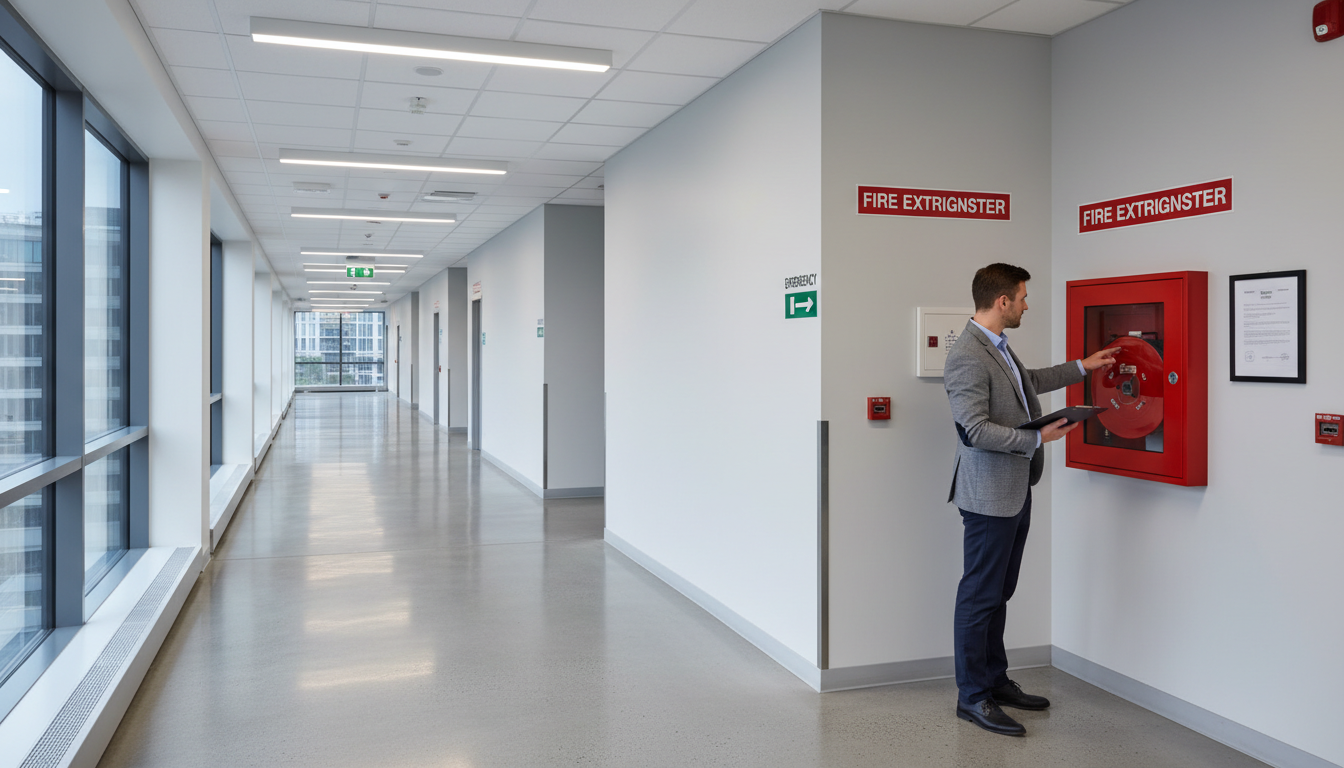
One of the primary focuses of BC’s fire safety regulations is building and construction standards. The regulations specify the materials and methods that must be used to minimize fire risks. For instance, certain flame-resistant materials may be required for roofing and siding.
Additionally, new buildings must adhere to specific design standards that facilitate quick and safe evacuation. This includes requirements for fire exits, stairwells, and emergency lighting. Homeowners should ensure that any renovations or new constructions meet these standards.

Fire Safety Equipment
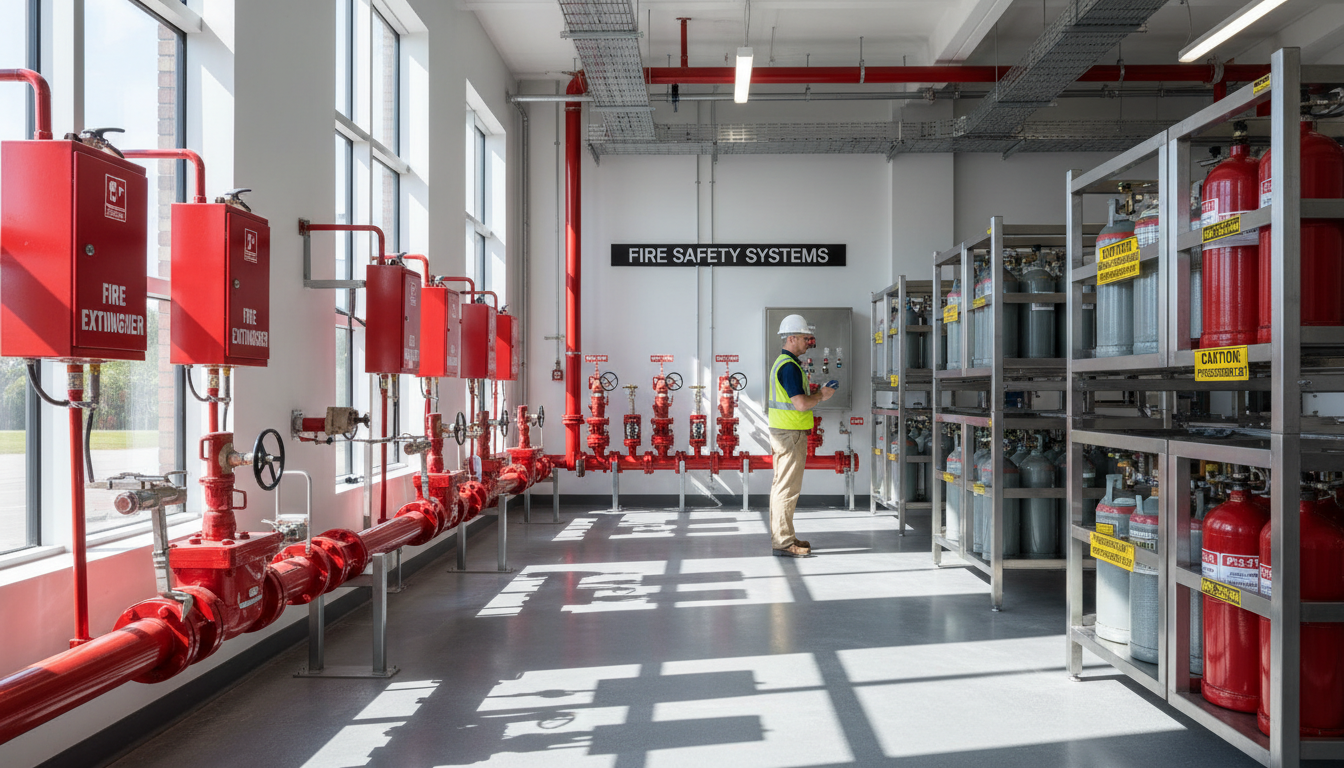
Equipping your home with the right fire safety tools is crucial. BC regulations mandate the installation of smoke alarms and carbon monoxide detectors in all residential properties. These devices should be tested regularly and replaced according to the manufacturer’s guidelines.
Fire extinguishers are also an important part of your home’s safety plan. Ensure you have the appropriate type for your home’s specific risks, such as kitchen fires or electrical fires. Regular maintenance and proper training on their use are equally important.
Creating a Fire Escape Plan
A well-thought-out fire escape plan can save lives. BC’s fire safety regulations encourage homeowners to create and practice an escape plan with all household members. This plan should include at least two escape routes from each room and a designated meeting spot outside the home.
Practice the plan regularly, especially with children, to ensure everyone knows what to do in the event of a fire. Regular drills help reinforce the steps and reduce panic during an actual emergency.
Landscaping and Fire Prevention
Landscaping plays a significant role in fire prevention. BC’s regulations recommend creating a defensible space around your home. This involves removing flammable materials, such as dry leaves and dead plants, and maintaining a safe distance between trees and your house.
Consider using fire-resistant plants and materials for your garden and outdoor areas. Properly maintained landscaping can significantly reduce the risk of a fire spreading to your home.

Compliance and Community Responsibility
Compliance with fire safety regulations is not just a legal obligation but also a community responsibility. By adhering to these rules, you contribute to the overall safety of your neighborhood. Regularly check with local authorities or fire departments for updates or changes in regulations.
Engage with community programs that promote fire safety awareness. These initiatives often provide valuable resources and support to help you enhance your home’s fire preparedness.
By understanding and implementing BC’s fire safety regulations, you help protect your home, loved ones, and community from the threat of fires. Stay informed, prepared, and proactive in maintaining a safe living environment.